


In the world of self-help and its academic cousin, applied philosophy, a lot of people say a lot of things about happiness. So why not join in?
Happiness is…
Happiness. What is it, and how do you get it? This is a problem that has troubled humanity, it seems, for thousands of years.
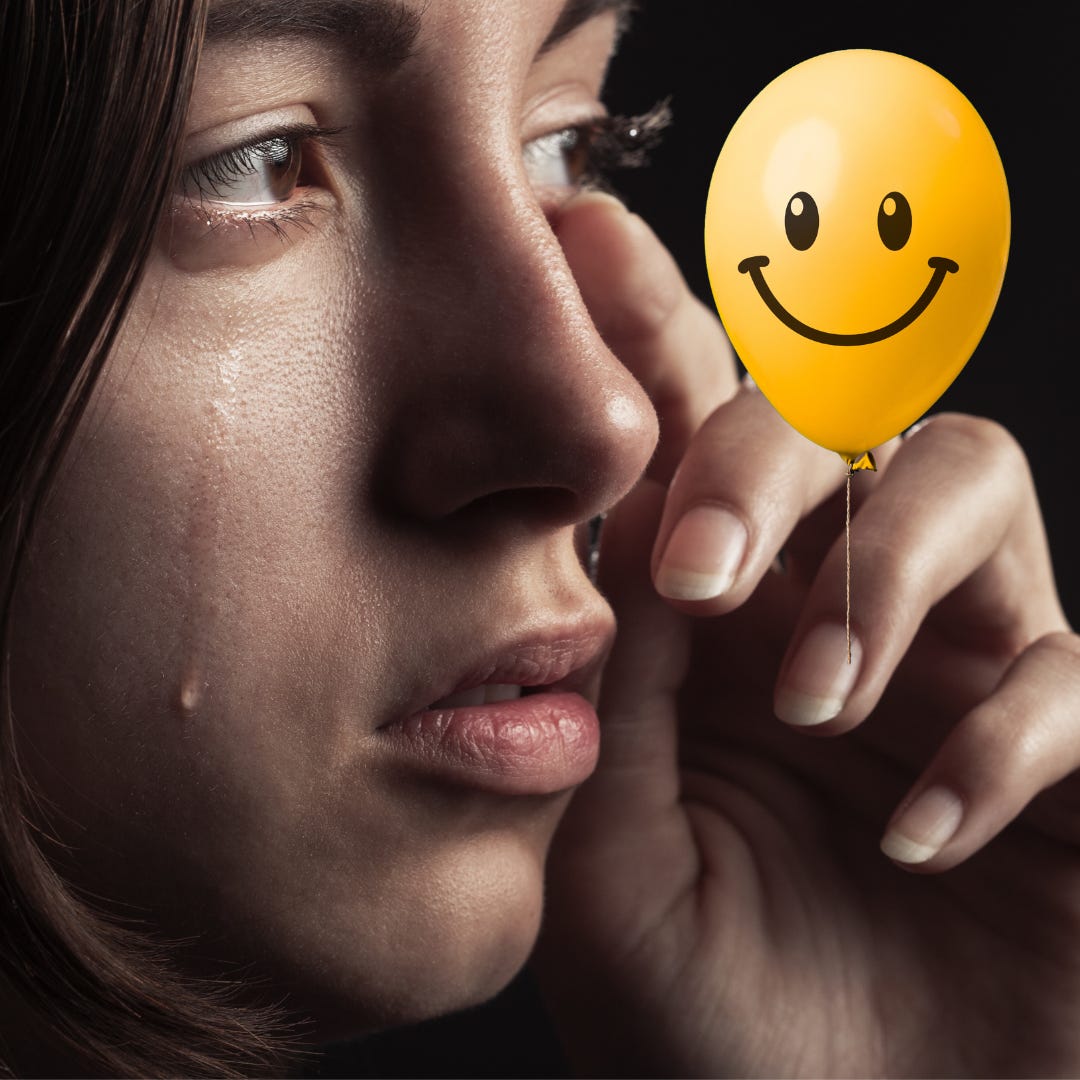
One of the great ironies of the idea of happiness is that it makes us extremely unhappy. Now that we have created this ideal state to strive towards, we are increasingly unhappy that we are not there yet. Like the proverbial kids in the back of the car - “are we there yet, are we there yet” becomes itself a kind of torture.
We find ourselves staring off into the distance, scanning the horizon for this thing. And we don’t even know that it exists. It could very well be, as I suspect, something we’ve just made up - in theory to make our lives better but maybe it has made our lives a hell of a lot worse.
But maybe we can come up with an understanding of happiness that avoids this trap. Maybe we can set up happiness not as some ideal to chase after, but as something that just happens naturally are you become what you are, as you pursue your life task, whatever that might be.

Happiness, Emotions, Moods
So here are some thoughts. Let’s avoid saying that happiness is an emotion or even a mood.1 That seems way too precarious for something as important as this. This is easy to say but hard to do. If you set aside the idea that happiness is an emotion or a mood, you’re probably going to have to also set aside almost every piece of lifestyle or self-help advice that you’ve had.
OK that’s an exaggeration. What I mean is - there is a lot of advice that is all about curating your environment in order to manage emotions and moods. Diet, exercise, sleep, relationships - a lot of what you read is about how to arrange these things so that you can be in a better mood, or more frequently experience the range of emotions we most commonly associate with happiness.
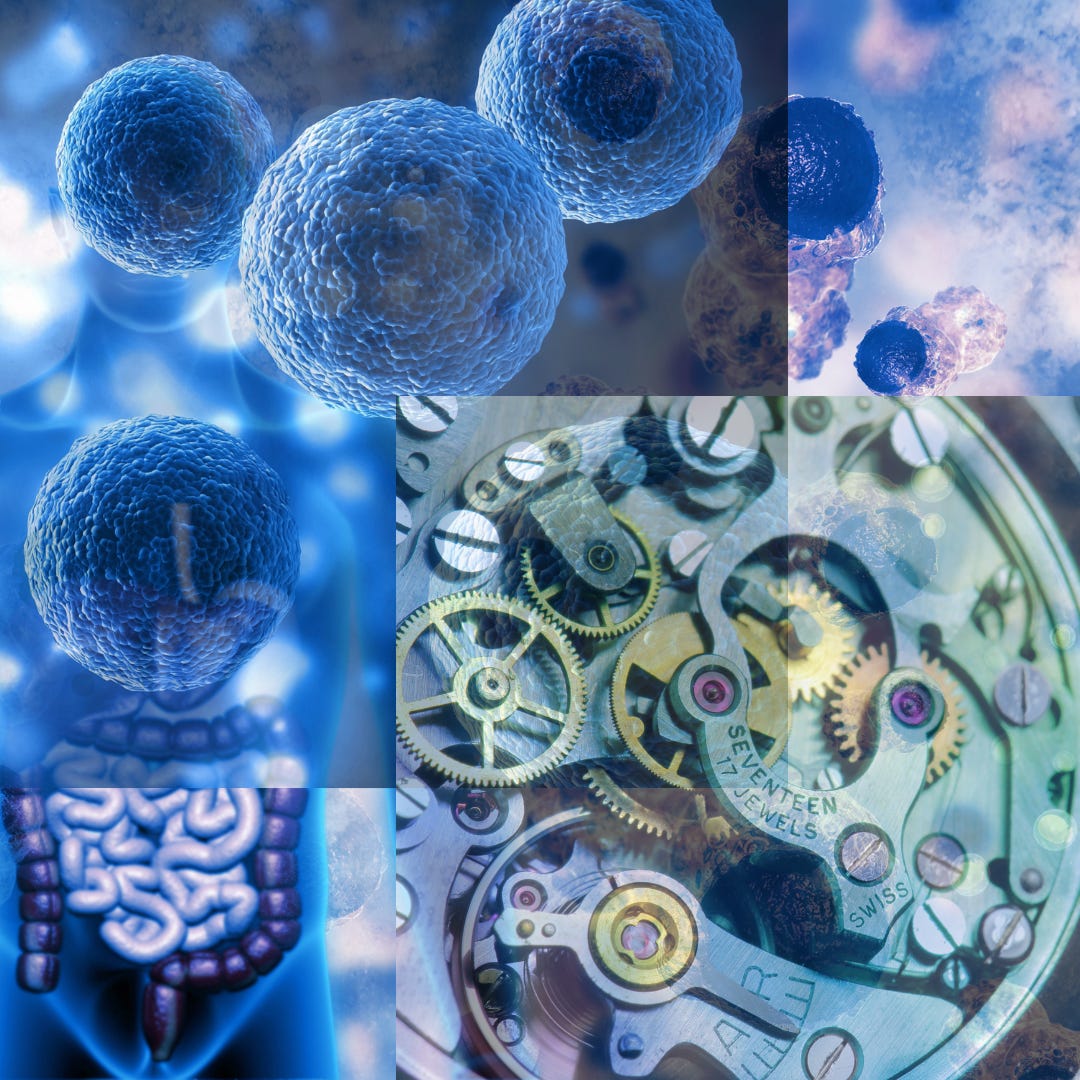
You end up with this finely tuned clockwork machinery, all with the goal of balancing your emotions. But the trouble is - we’re not clockwork. We’re not machines. We’re organisms. I’m not saying there is no place for curating your environment to support your wellbeing. I’m just saying we shouldn’t hang too much on this.
Happiness, Love and Connection
Another thing you often find out there is the idea that the key to happiness is relationships, or connection, That if you can find love and care, or exercise compassion and generosity, then you will find happiness. Here, happiness is not so much an emotional state as it is a relational state. By fostering secure attachments we find a state of existential security that can be equated with happiness.
I think there is a lot that is true about this idea in terms of the importance of secure relationships for our overall functioning as human beings. But happiness? I’m not sure. Let me give two very quick rejoinders. 1. This seems to imply that you can’t be happy within yourself, on your own. I think this is self-evidently untrue. 2. Anyone who thinks love is the key to happiness has probably never really been in love. When it comes to love, there is as much angst and distress as there is ‘happiness.’
Happiness and Inner Peace
Perhaps you’ll think that that is also exaggerated. Let’s try one more time.
Another concept of happiness is the idea of equanimity. This is very common in Buddhist and Stoic teachings, and in the mindfulness/meditation circle more generally. This is the idea is that equanimity - a totally undisturbed inner life - is the key to happiness. That is, the secret to happiness is to not be carried away by extreme emotions - which I take to mean neither joy nor despair, neither love nor hatred, neither pride nor shame, neither respect nor contempt. Inner tranquility is the path to happiness.
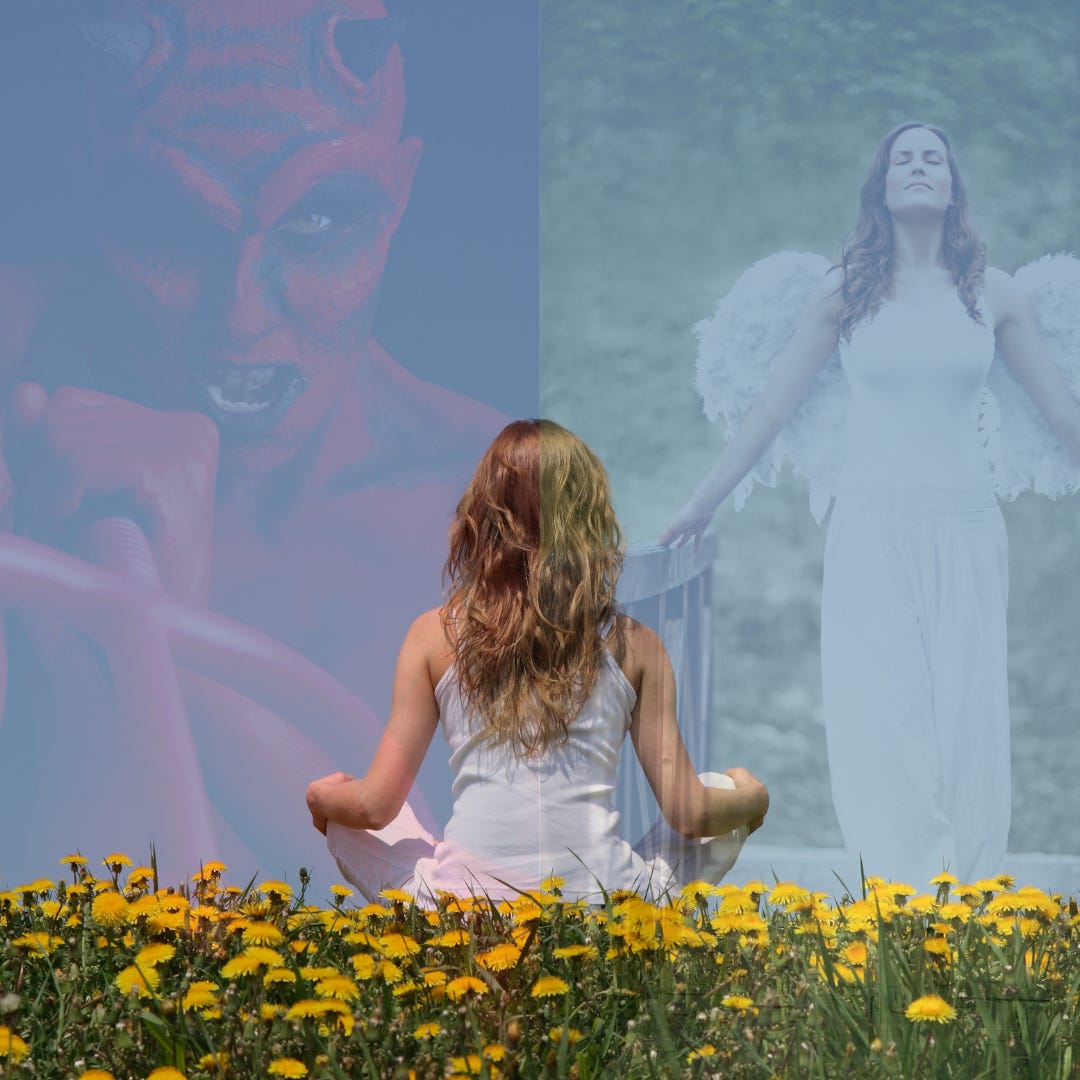
I don’t think this gets us very far either. Equanimity seems to be as elusive as any other thing that we call happiness. I actually think you can take this a step further. Equanimity seems to me to be a kind of death. To not allow yourself to fully experience your emotions, and even allow them to drive your decisions and responses to the world - this is deeply inhuman.2
So what then?
I spent this week redrafting the introduction to my next book. My idea about happiness is this: you will be happiest when the life you actually lead is closest to the life that suits you best.
This might sound obvious. I’m letting my paid subscribers into the book-writing process - they will get more content below. But here’s a teaser: it’s not as obvious as it sounds. Letting go of the customary morality that governs so much of our day to day decision making is not easy. Understanding who you are and what kind of life suits you best is not trivial.
And most importantly - making sure you live that life is not risk free. If you want to know more - subscribe!
