


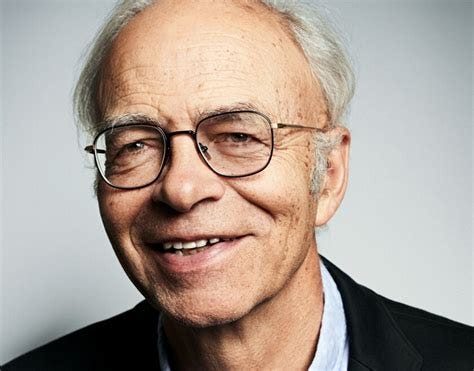
Australians like to think of themselves as practical, down to earth people. It is completely unsurprising to me that one of the biggest names in applied ethics - practical philosophy - is Peter Singer. He’s Australian, of course.
We - Australians - like to ask ‘so what?’ as opposed to ‘why?’
I used to work as an ordained Anglican minister. I had always been interested in theology and philosophy. I was not worried about things seemingly abstract and theoretical. I guess I always assumed that, if you really thought it through to the end, eventually its practical use would become obvious.
And, to be honest, I’ve always been a little bit oppositional-defiant. The more people tell me to keep it real, the more interested I get in pure abstraction, especially when I was a young theologian but even today in my philosophical project.
As a theologian, this took a particular shape. I made it my mission to take the most obscure, difficult and airy-fairy Christian ideas I could find, and make them practical and useful. I had some success with this - the doctrine of the Trinity, as it turns out, is deeply connected to that quintessentially Christian practice of sacrificing yourself for the benefit of others.
I am no longer a theologian but I am still a philosopher. Can I do the same thing with philosophy?
Action and Reflection
One way to approach this - the problem of making theory practical - is to use the classic distinction between the active life and the contemplative life.
On the one hand, you have the active life - captains of industry striving for success and fortune, or politicians striving for power and influence, or obsessive hobbyists striving for some kind of maximum effort or outstanding achievement.
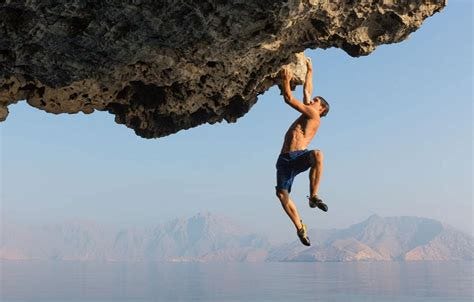
I’ve recently been watching all of those documentaries on Netflix about climbers - Free Solo, Meru, 14 Peaks, The Alpinist and others. Alex Honnold, a free climber, is an amazing example of someone who seems to have developed a kind of practical philosophy in the extreme pursuit of the most daring rope-free climbs you can imagine. When I listen to him talk in those movies, describing their mentality, training and general approach, they sound a lot like philosophers. But not of the kind you find in universities.
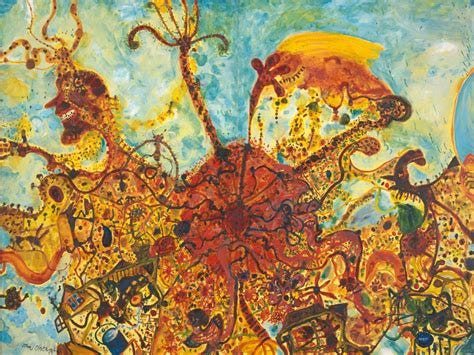
On the flip side, you have the contemplative life. Here I think of musicians, poets and artists. People whose artistic practice means that they have to disappear from the mainstream. People who live in the wilderness - actually or metaphorically. People whose influence lies not in money, power or status, as with those active types. Their influence lies in being able to capture ideas and emotions, beautifully.
Funnily enough, when you hear successful artists talk, they also sound a lot like philosophers. John Olsen, sadly recently deceased, was a celebrated Australian artist. I remember watching a video of him playing at an exhibition honouring his work. He was talking about perspective, and how art allows you to see things from new perspectives, and how this applies to life more generally. If you listen to what John had to say elsewhere, you will also get the sense that you are listening to a practical philosopher.
Of course, neither Alex Honnold nor John Olsen are professional philosophers. They may not have the technical apparatus of a philosophy professor, or understand the history of the development of ideas in philosophy and literature. But I get the feeling that they would be pretty at home in that world.
So what do these people have in common? Let’s call it active reflection and reflective action. When they think about things, they do so deliberately, carefully and clearly - actively. When they act, they do so reflectively, bringing to bear principles and ideas to bear on what they do and how they feel.
So where to next?
I am in the process of developing something. A framework that is academically robust but easily accessible. Something that can help with this process of active reflection and reflective action.
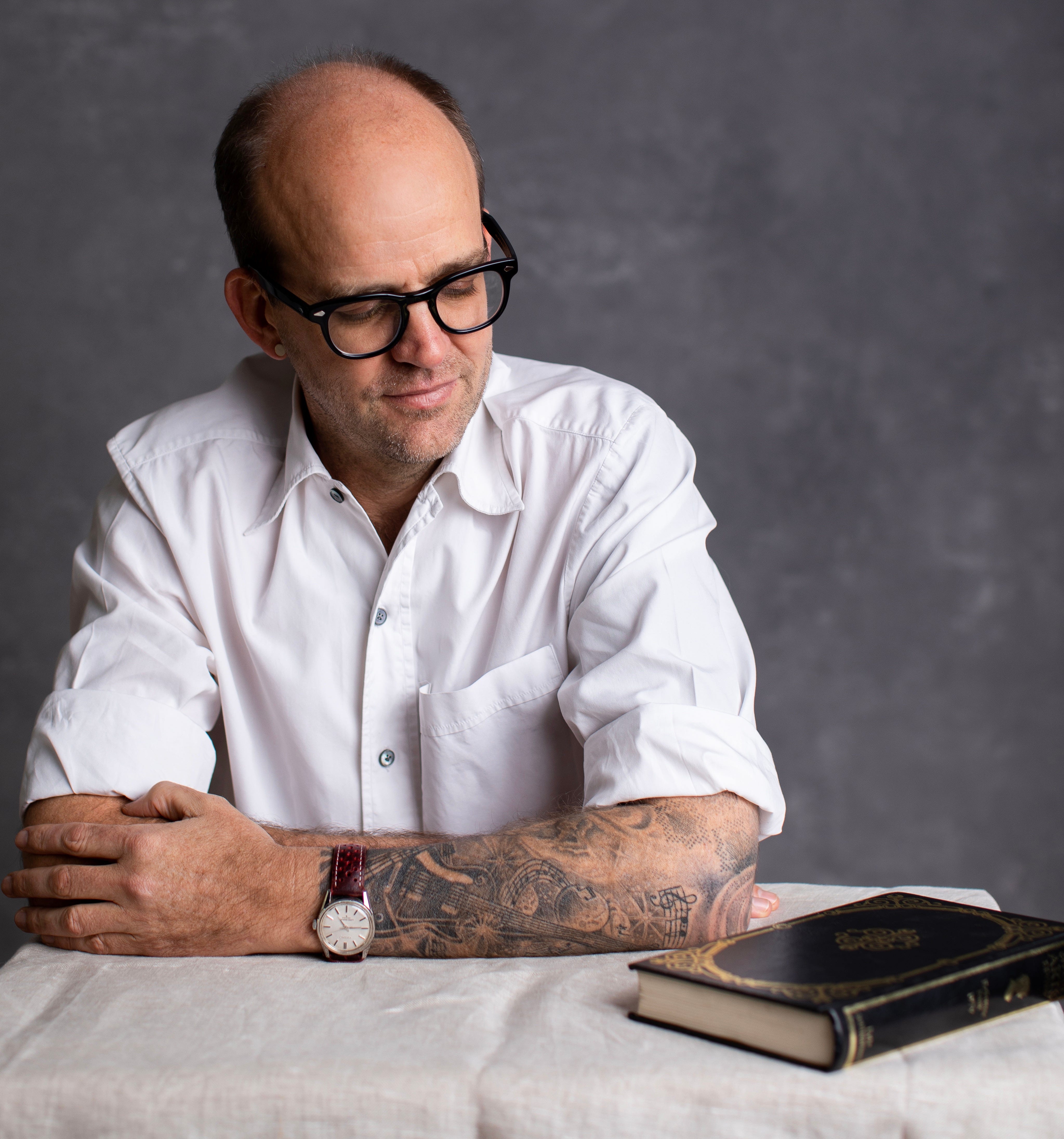
This framework is grounded in Friedrich Nietzsche’s philosophy. Over the coming months, I plan to outline the key ideas here. The goal is to publish this as a book in the next year or so.
As a free subscriber, you will get the basic info, and you can follow along here.
As a paid subscriber, you can help to create the book, influence its direction, and supercharge its ideas. Particularly - you can help me to make it as practical and useful as it can be, for as many people as possible.
On Substack only paid subscribers can comment and interact on chat - so I’ve set the bar as low as possible with the minimum payment thresholds that Substack allows. More importantly, your subscription is really going to help me get this book out!
And don’ forget - you can always help by sharing this publication with others, and also following and promoting my Instagram account here.
